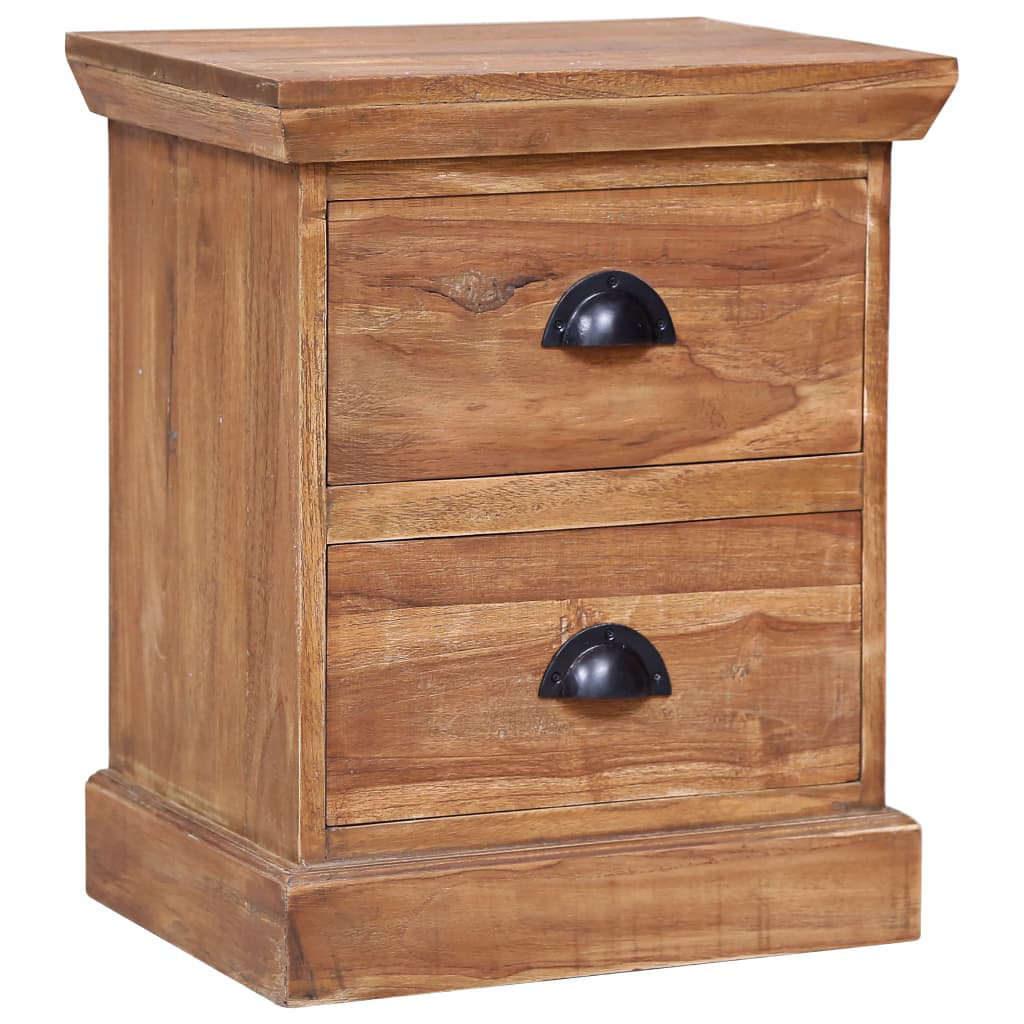
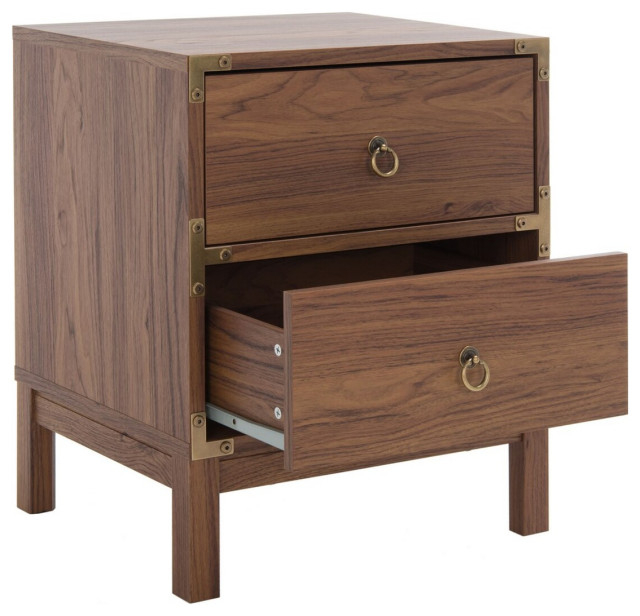
A tidy bedside setup should make chargers easy to reach without trapping cables behind the bed. Start by deciding which devices actually need to live beside you. A lamp, a phone and an alarm clock require a different arrangement from a laptop charging station.
In this guide
Map the route before buying organizers
List the devices, locate the outlets and measure the route each cable would follow. Include the distance needed to move a nightstand for cleaning. Keep the route away from a walking path and check what happens when the bed, drawer or cabinet door moves.
The U.S. Fire Administration advises against routing cords under rugs, across doorways or where furniture can damage them. A cable hidden from view is not automatically well placed. If furniture presses against a plug or lead, change the layout instead of forcing it into a smaller gap.
Separate everyday charging from storage
Give the device you use nightly a clear position on the nightstand. Keep spare cables in a separate container so that the active lead is easy to identify. Label the ends of similar cables with removable labels, taking care not to cover safety markings or connectors.
Use clips sized for the cable and compatible with the furniture finish. Leave enough slack to pick up the device normally. A clip should guide a lead, not crush it or turn the connector into a tight bend. Test a full drawer opening before fixing anything in place.
Keep charging equipment accessible
Follow the device and charger instructions for ventilation and placement. Do not bury an operating charger beneath bedding or assume an enclosed drawer is a suitable charging compartment. Avoid a cable box that makes it impossible to inspect or disconnect the equipment.
If using a power strip, follow its ratings and installation instructions. Do not connect strips together to make a longer chain. When the available outlet arrangement cannot support the intended setup, ask a qualified electrician about a suitable permanent solution rather than concealing more adapters behind the bed.
Choose nightstand features that serve the layout
A cable opening is useful only when its position matches your outlet and devices. Check that its edge is smooth and that plugs can pass through without forcing them. For built-in charging, verify the electrical specification, replacement arrangements and safety documentation for the exact product.
- Can you disconnect everything without moving the bed?
- Do drawers close without catching a lead?
- Can you clean the floor without tugging on plugs?
- Are worn, loose or damaged cables removed from use?
Review the arrangement whenever you add a device. The most usable setup has a clear route for every active cable and a separate place for everything else.