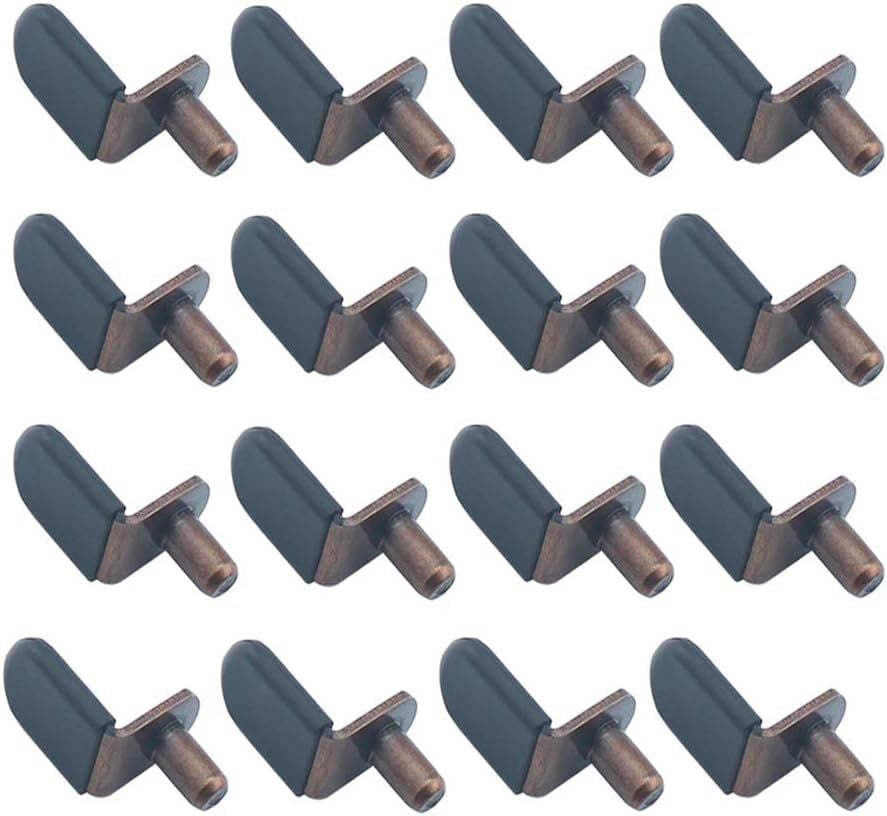
Measure a replacement shelf pin at the narrow post that enters the cabinet side, then match the support shape and insertion length to an intact original. In a US hardware store, you may find both inch and metric sizes. A pin marked 1/4 inch has a diameter of 6.35 mm, so a package marked 5 mm describes a different fit.
In this guide
This guide covers removable supports for adjustable wood shelves in furniture such as bookcases, cabinets, and hutches. Start with the furniture model and one sound support. Those two references make it easier to buy a replacement that fits the existing shelf and cabinet without modifying either piece.
Unload the shelf and identify the original support
Remove everything from the shelf and arrange a clear place to set it down. Support the shelf while lifting it away from its pins. If a clip or catch holds it in place, find the release method in the furniture instructions before pulling. Keep the cabinet stable throughout the check.
Photograph an installed support from above and from the side. Then remove one intact example and label the cabinet and shelf it came from. Furniture in the same room can use different fittings, even when the finishes look similar. Keep each sample with its own measurements.
Look at the support surface. A simple round pin, a flat metal ledge, and a shaped plastic support can hold a shelf at different heights. Inspect the shelf underside for a matching recess or retaining feature. Record those details alongside the furniture brand, model number, and any part number in the assembly guide.
Measure the post diameter in both units
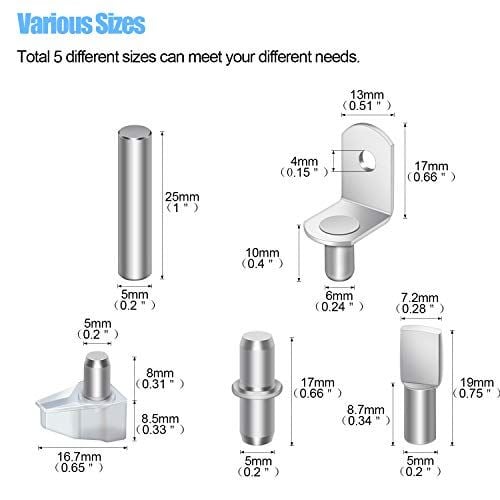
Use a caliper to measure the straight portion of the post that enters the cabinet hole. Close the jaws gently across the post and repeat the measurement after rotating the pin. Avoid measuring across the wider shelf support or a decorative shoulder. Those dimensions describe other parts of the fitting.
Record the reading with its unit. A note reading “5 mm post” is clearer at the store than “small silver peg.” With an inch reading, write the fraction or decimal shown by your tool. The quarter-inch conversion above can help you recognize the larger size when comparing an inch-marked package with a metric catalog.
Rockler lists separate 5 mm and 1/4-inch post products. Its specifications identify the post diameter, and each description gives the matching hole size. Use those figures as examples of the information to find on your replacement package. Check the exact product specification against your sample. [1] [2]
Check insertion length and the shelf contact surface
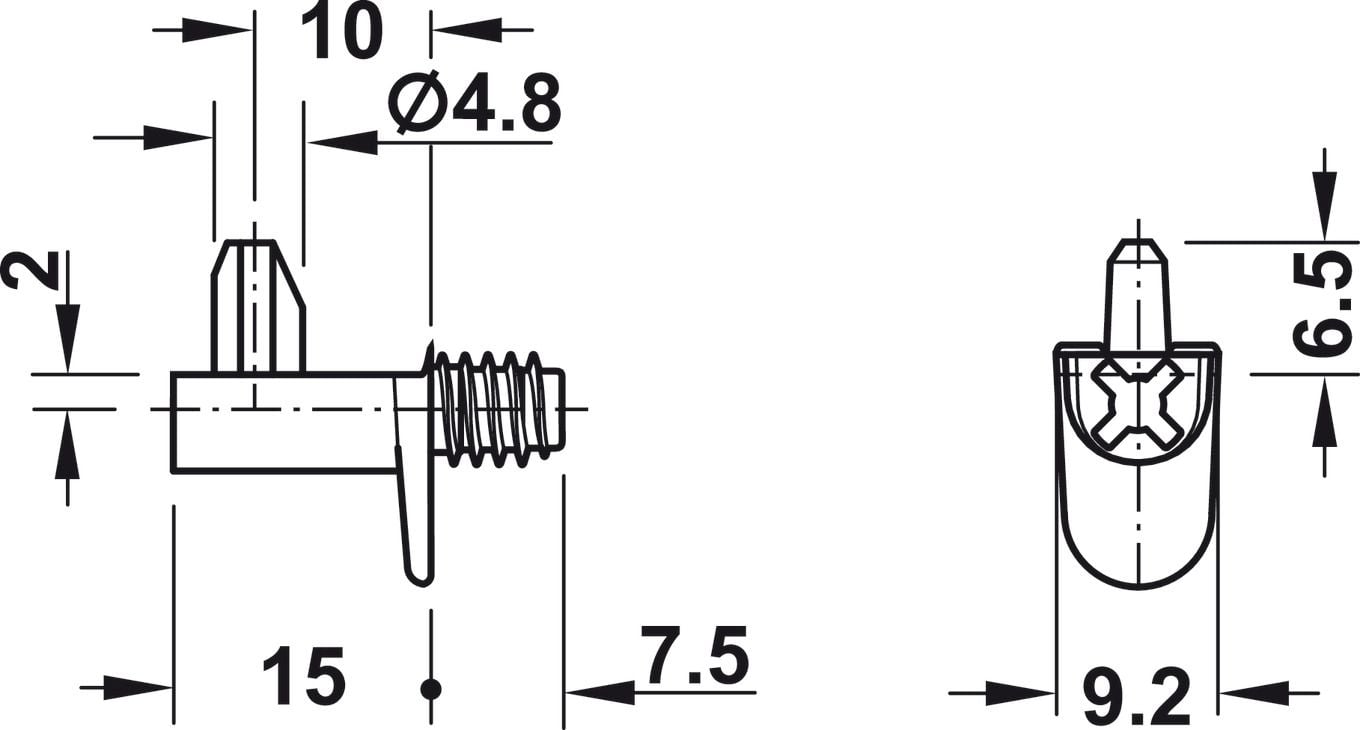
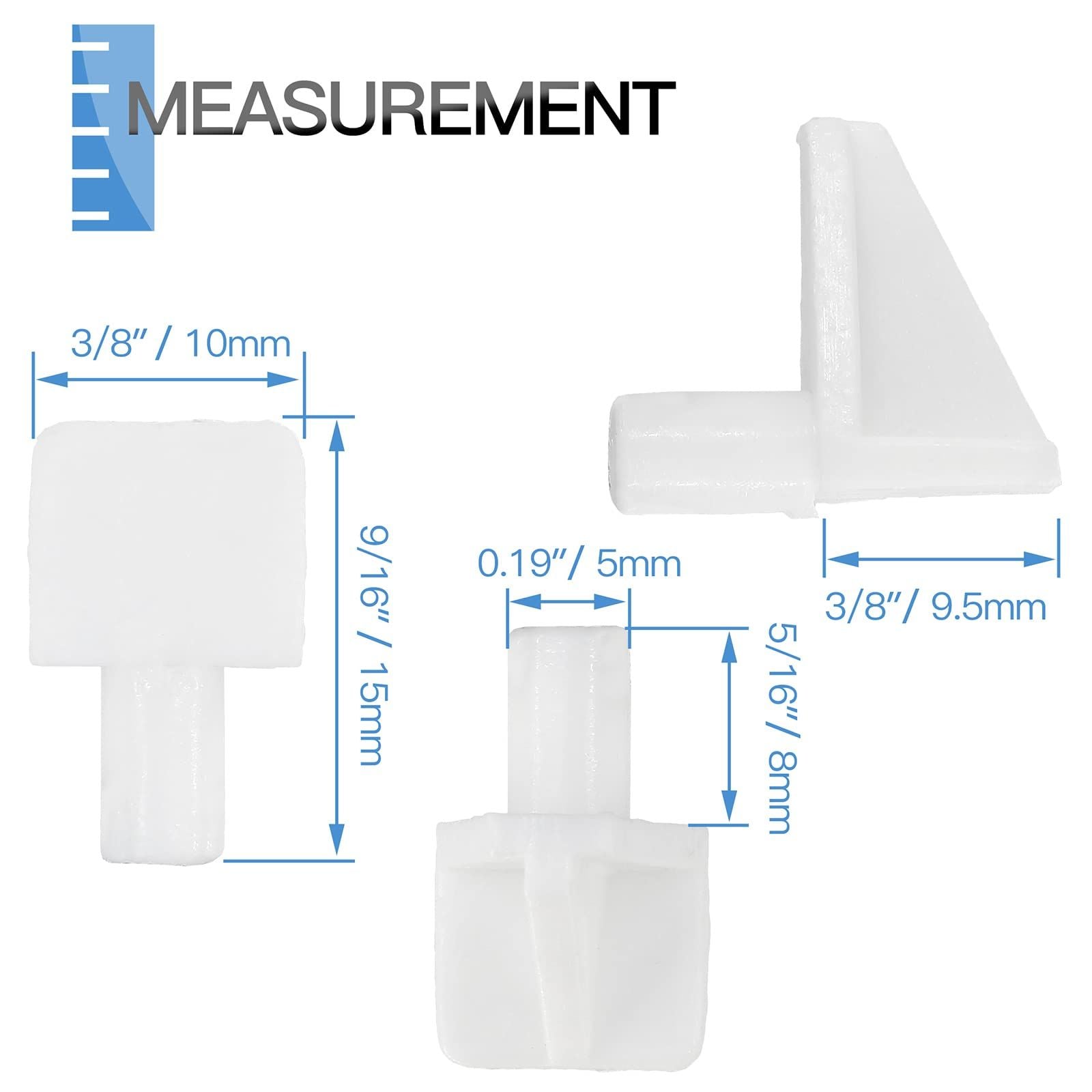
Measure from the end of the cabinet post to the shoulder that stops against the cabinet side. This is the portion that must fit inside the existing hole or sleeve. Photograph the caliper or ruler beside the sample so you can compare the measurement with a dimensioned product drawing later.
Next, measure how far the support projects under the shelf and note the height of the shelf contact surface relative to the post. A different support shape can change where the shelf sits. That matters when a shelf fits closely beneath a drawer, behind a door, or alongside another shelf.
Check whether the original fitting includes a small retaining screw, locking tab, or cushion. A replacement for that arrangement should preserve the required connection and contact surface. For a glass shelf or a specialized retaining system, obtain the specified support from the furniture manufacturer before choosing a generic wood-shelf pin.
Inspect the holes and any installed sleeves
Look closely at the opening where you removed the sample. It may be a plain drilled hole or a hole lined with a separate sleeve. Leave an intact sleeve in place while identifying the system. Measure and compare the pin that fits inside it.
Rockler offers optional sleeves alongside both of its pin sizes. That separate listing is a reason to read the whole product description when ordering. A sleeve and a pin are distinct components, and each needs to match the intended arrangement. [1] [2]
Inspect the cabinet around every support location for cracks, crushed material, or an enlarged opening. Compare a suspect hole with a sound one. If the old pin rocks in a damaged hole, resolve the cabinet repair with the manufacturer or a furniture repair specialist before loading the shelf. Choosing a larger pin would also change the cabinet’s original fitting dimensions.
Build a complete replacement shopping note
Take the sample, photographs, and measurements to the hardware counter, or keep them beside you while reviewing an online drawing. Your note should include the furniture model, post diameter, insertion length, support shape, shelf material, and any sleeve or retaining feature.
Count the supports required for the shelf and compare all of them. A complete matched arrangement should place each contact surface at the same intended height. If one original is damaged or missing, the remaining pieces provide a reference, while the furniture parts list establishes the correct replacement set.
Check the stated application and any load information supplied for the furniture and replacement hardware. Diameter alone cannot establish the capacity of the whole shelf. Shelf material, span, cabinet condition, and the specified support arrangement also affect the assembly. Keep the furniture’s published limits with your shopping note.
Test the fit with the shelf empty
Try a replacement gently in one sound location. Check that its shoulder seats as intended and that the post fits securely. If it binds before seating or feels loose, stop and compare the sample and specification again. Preserve the original hole size while identifying the correct part.
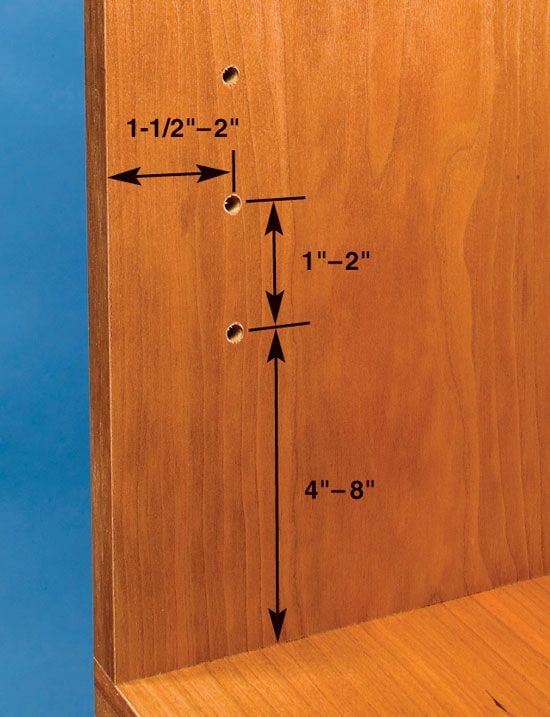
Install the required matched supports at corresponding positions, then lower the empty shelf onto them. Check each contact point and any retaining feature. Open and close nearby doors to confirm clearance. Return contents gradually within the furniture’s stated limits after the fit and support arrangement are confirmed.
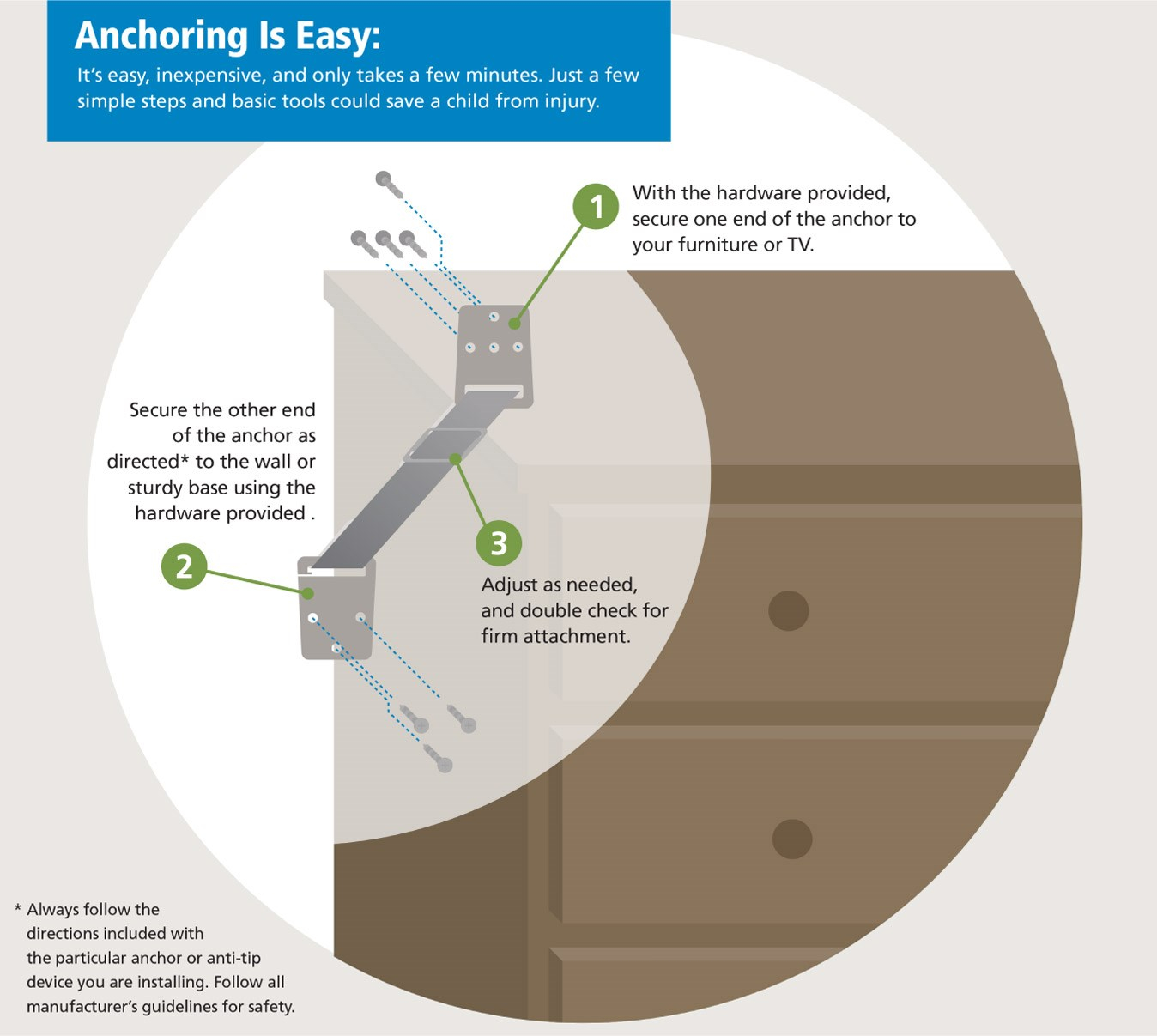
For a tall cabinet or bookcase, keep its anti-tip connection in place during this work. If that connection needs attention, our furniture anchoring guide covers the cabinet and wall attachment checks. Read the furniture anchoring guide.
Keep one labeled spare and the replacement specification with the furniture instructions. The next time a support goes missing, you will have the exact post measurement, support shape, and model reference ready.