A display cabinet can close with a sharp tap because one small clear bumper has fallen off. The replacement has two jobs. Its base has to fit on the flat area behind the door, and its height has to let the door land softly while still closing. A pad can match the old circle and still hold the door too far from the frame. Before you buy replacements, inspect where the door actually touches and write down the base width and height as separate measurements.
In this guide
Find the contact points with the door nearly closed
Stand where you can look into the gap from the side and close the door slowly. On many cabinet doors, there is a bumper near the top and another near the bottom on the side opposite the hinges. They may be attached to the back of the door or to the cabinet frame. Look for a clear dome, an adhesive outline, or a faint witness mark on the surface opposite the missing pad. A dust outline is useful for finding the location, but confirm that the door and frame still meet there. Bumper Specialties, a pad manufacturer, recommends two corner bumpers for cabinet doors. An existing door with a different arrangement is worth following if it closes evenly. [2]
Watch what makes the first sound. A click at a magnetic catch, a scrape along the lower edge, and a tap at a missing pad point to different repairs. If the door is already rubbing, hanging low, or touching its neighbor before it reaches the bumper, check the alignment before sizing a pad. A new bumper should cushion the final part of the swing. It cannot correct a sagging door. This guide covers stick-on pads for interior furniture and cabinet doors. A stop that presses into a hole or attaches with a screw needs a matching mounting style.
Measure the base, the height, and the available space
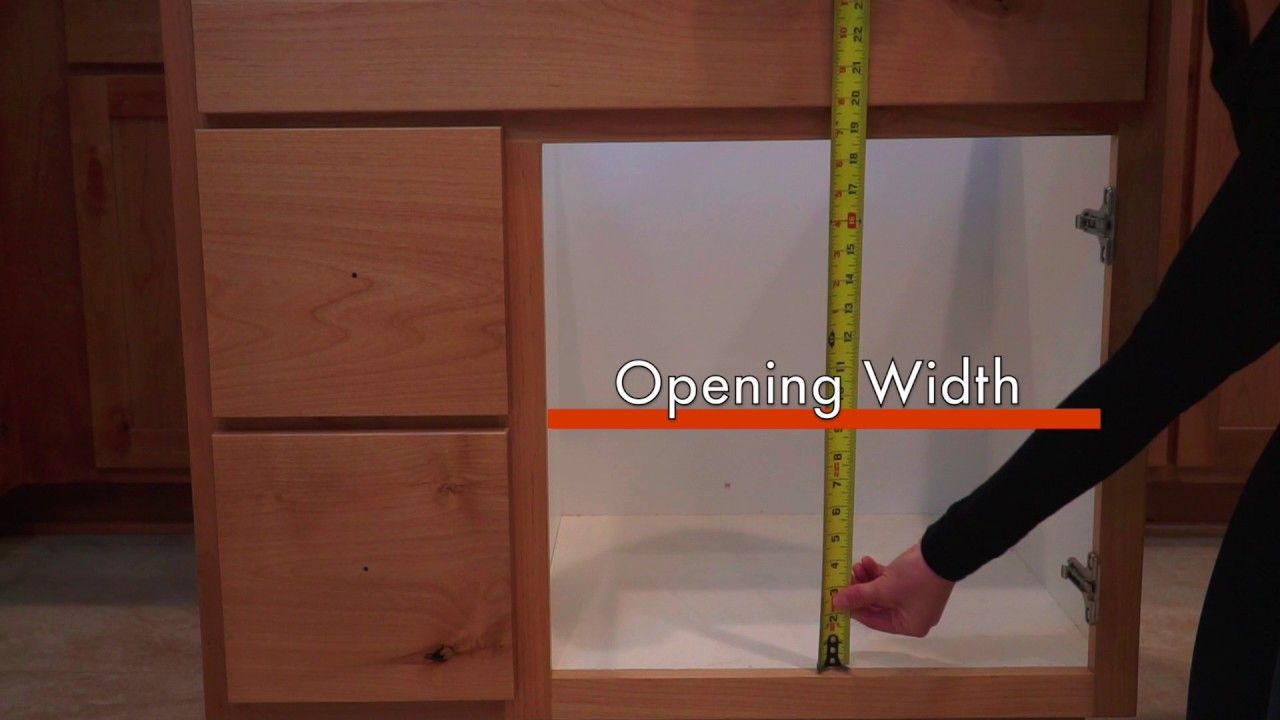
Start with a good bumper on another door of the same cabinet, ideally one that closes over the same frame and uses the same kind of catch. Open the door and use a small ruler or caliper to measure the pad where it meets the wood. For a round pad, take the diameter. For a rectangular pad, note both sides. Then measure the flat area that can support the whole adhesive base. A narrow frame, a curved edge, or a groove can make a larger pad unsuitable even if there is room for it on the door itself.
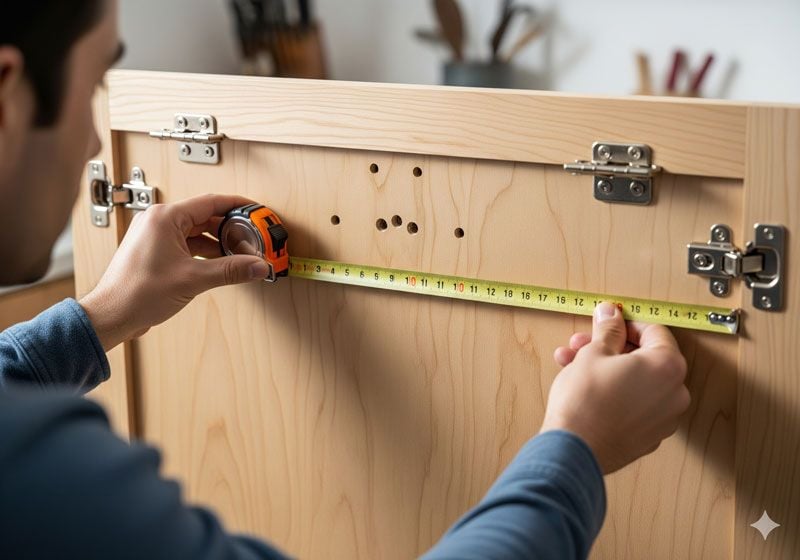
Take the second measurement from the mounting surface to the top of the pad while the door is open. Use only enough pressure to touch the pad with the measuring tool. An older dome can be worn flat, and a caliper pressed hard against a soft pad can make it read low. Compare two intact pads if possible. Bumper Specialties also recommends checking the door-to-frame gap with the door closed as a starting point for thickness. Inspect that gap at the intended contact point while holding the door at the position that gives an even front and lets its catch engage. Treat it as a fit check because a soft bumper can compress when the door closes. [1]
If every pad is missing, write down the diameter of the old adhesive outline and the width of the flat contact area. Then use a small ruler and a side view to estimate the clearance at the top and bottom. A light held behind the gap can make the contact easier to see. Keep your fingers and the ruler clear as the door closes. If the two corners have noticeably different clearances, check that the door sits straight before buying thicker pads for one corner.
Read the listing as two dimensions
A size printed on the front of a pack may only tell you how wide the pad is. Look for a drawing or a specification that lists the height as well. For example, Bumper Specialties lists its BS01SD pad as 0.500 inch across and 0.140 inch high. These numbers describe one specific pad. If your cabinet has a flat landing only 7/16 inch wide, a half-inch base extends past that landing even when centered. Keep your measurements handy when a listing uses decimals and your ruler uses fractions. [2]
Match the shape where you can. A domed pad and a flat pad of the same height present different surfaces to the closed door. Choose a size whose entire adhesive base fits and whose uncompressed height is close to an intact original. Color comes later. Clear can work well where a pad is visible through a glass door, but the mount still needs a compatible surface. For an uncertain fit, buy a small pack first and leave the rest of the cabinet alone until one door closes the way you want.
Fit one door and check the close before replacing the rest
Remove the old pad and any loose residue with a method compatible with the cabinet finish. Avoid scraping delicate veneer or experimenting with a strong solvent on a visible area. Follow the replacement pad maker’s directions for surface preparation and application. For a peel-and-stick pad, mark the known contact position before removing the backing. Apply the pad to the flat surface so the base sits fully supported. If both pads on the door are worn, try a matched pair on that door so they can meet the frame together. [2]
Let the door close slowly several times. Look for an even gap, a catch that seats normally, and a softer sound without the door springing back. If it now sits proud or will not catch, check where the bumper contacts and compare its height with the old pad before moving the catch. If the original sound was actually a scrape and you find you need to replace the hinge, measure the door overlay for that separate repair. Cabinet door overlay measurement guide
Once one door sits even and closes quietly, keep a spare pad with the cabinet hardware. Write the base size, height, shape, and mounting location on its backing or bag. The next time a clear pad goes missing, you can match the part from that record instead of guessing from a circle of old adhesive.