To find IKEA replacement hardware, start with the exact furniture instructions and the small part’s identification code, then check the current United States spare-parts service. A screw that looks familiar in a search result is a weaker match than the code beside its drawing in the correct manual. Keep the furniture name, the hardware code, and the quantity needed together so that a store co-worker can understand the request.
In this guide
There is a practical service detail to check before planning an online order. When retrieved on November 16, 2026, the IKEA US spare-parts landing page stated, “Our online spare part ordering system is currently unavailable,” and directed customers to their closest IKEA store. Its general missing-parts FAQ still described online ordering. Check the live landing page for the current route rather than assuming the form will work because an older guide mentions it.
Confirm what is missing before requesting a replacement
For a newly purchased item, open and check every box belonging to that purchase before deciding that hardware is absent. IKEA’s US missing-parts guidance specifically recommends this because a product can be split across several boxes. Keep the packaging and the bags organized while you compare the contents with the instructions.
Make a short inventory of what you actually have. Separate a missing fitting from a damaged panel, an incomplete delivery, or a part you cannot yet identify. Those situations may need different help. For example, a bag that is present but contains fewer screws than the manual lists is a more precise description than “the cabinet hardware is missing.”
If this is an older piece of furniture, record where the missing component belongs. A close photograph of the joint and a wider photograph of the furniture give useful context. Do not remove a matching installed part just to make the comparison if doing so would leave the furniture unsupported.
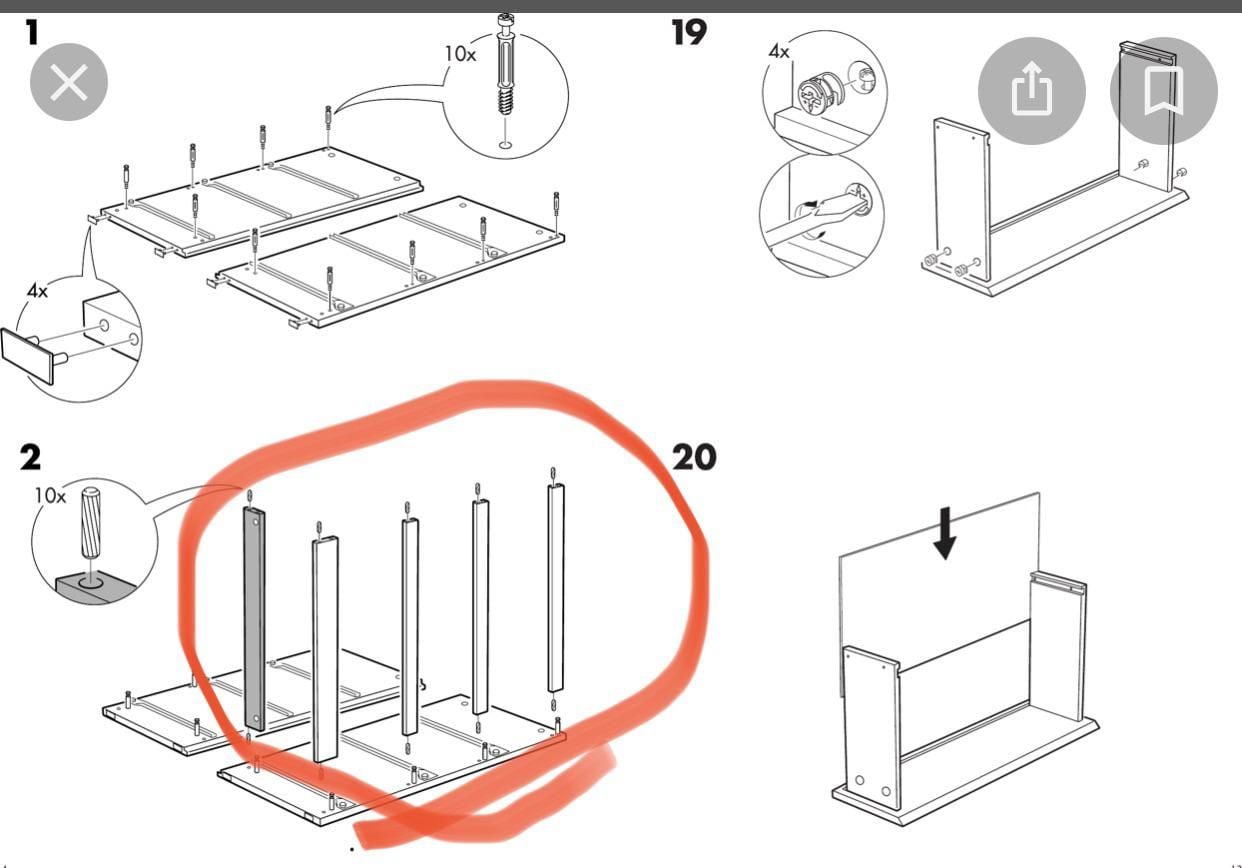
Find the correct assembly instructions and hardware code
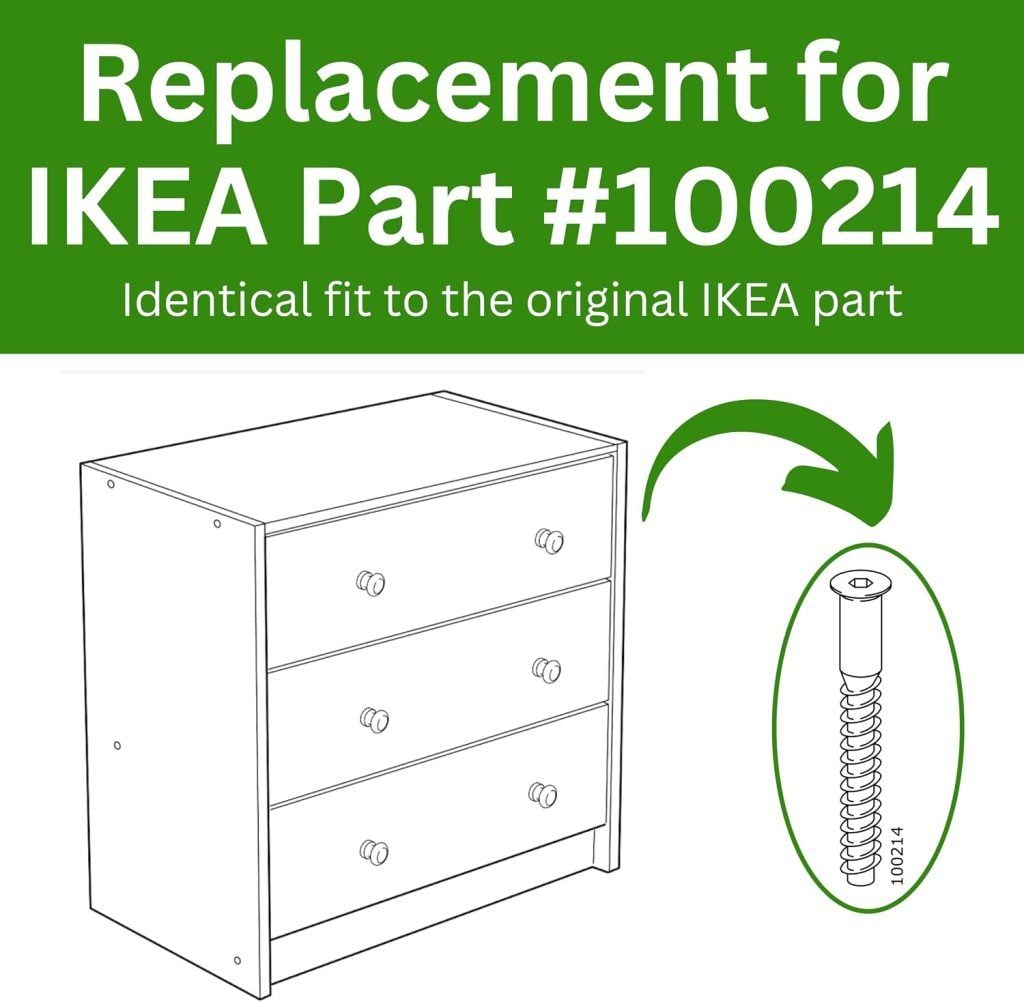
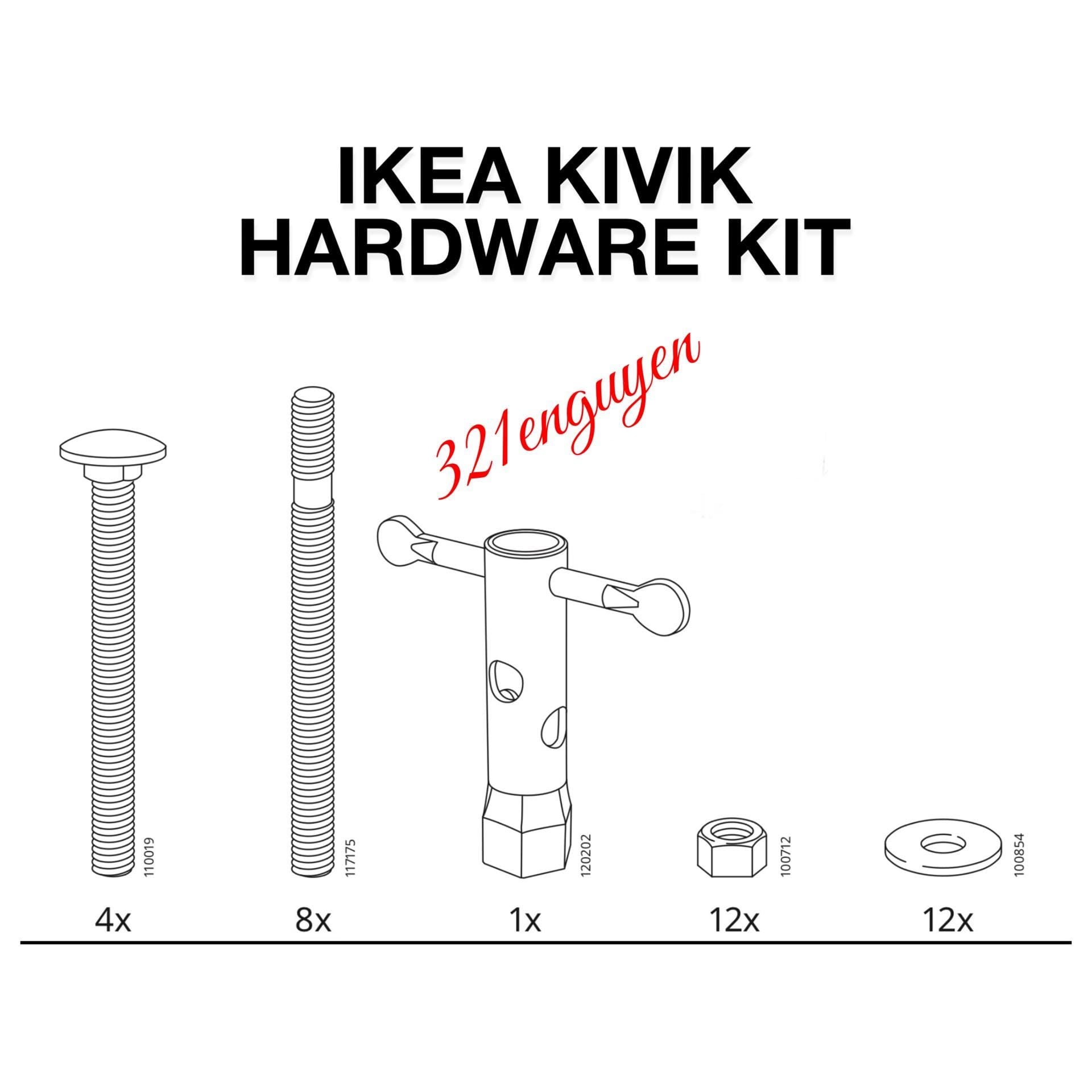
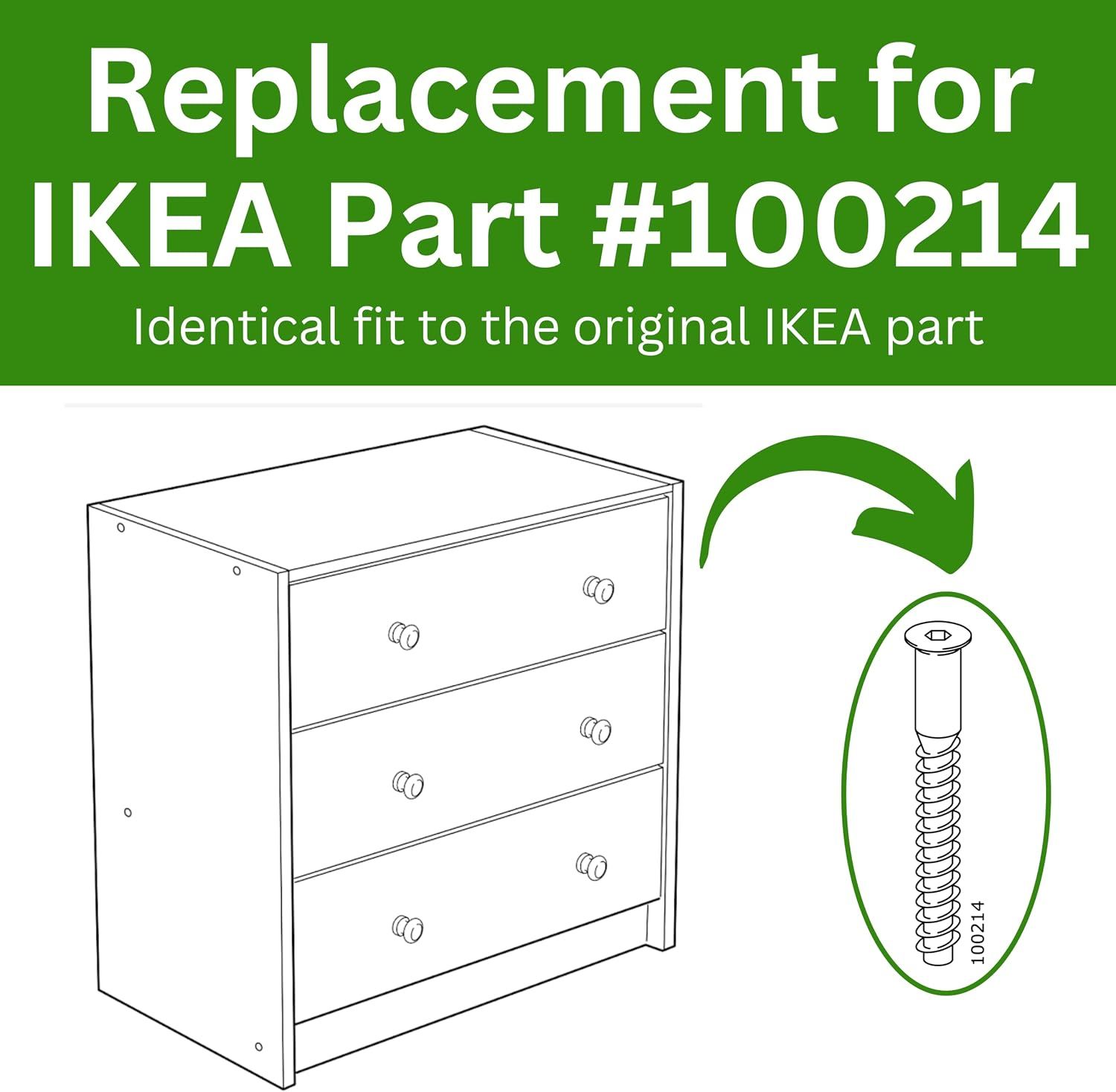
IKEA’s US FAQ says that some small spare parts, including screws and fittings, have a six- or eight-digit code in the assembly guide. It also gives the route for finding instructions online: search for the product, then open Product details, Assembly and documents, and Assembly instructions. Page labels can change, so look for the assembly document associated with that exact product.
Check the furniture description against your piece before copying a code. A family name alone may leave the size, configuration, or version unclear. Compare the drawing of the furniture and the relevant assembly step with the item in front of you. If the instructions do not appear to match, save the uncertainty for customer service instead of choosing the closest-looking fitting.
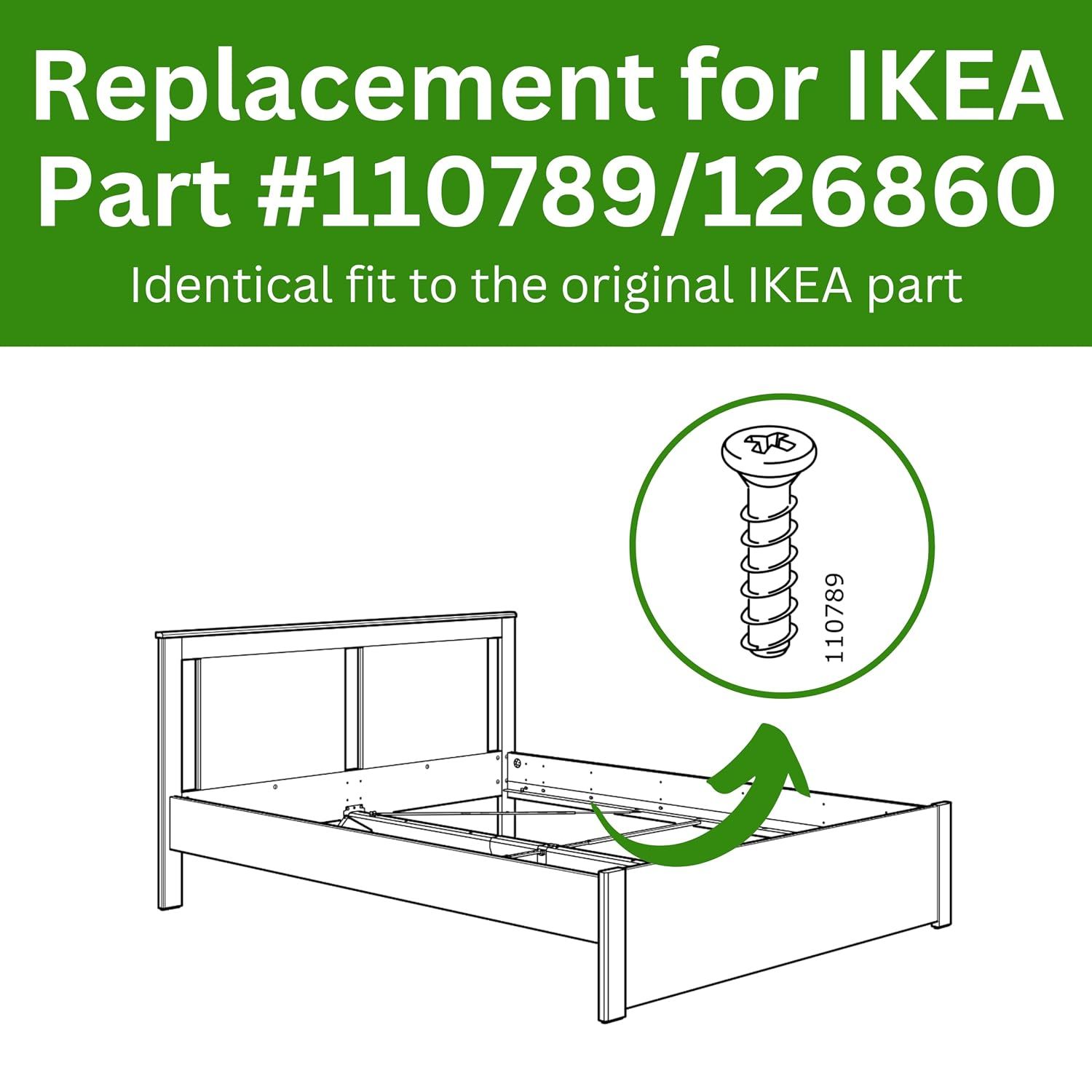
Copy the code exactly as printed, along with the quantity you need and the page or step where it appears. Save a screenshot showing both the code and its drawing. This creates a clearer request than sending an isolated number with no indication of which manual it came from. The number identifies the requested hardware; your photographs and furniture details explain the context.
Use the current US service route, not an assumed delivery promise
The US missing-parts FAQ describes free postal delivery within 14 working days for coded small parts ordered through its online form. However, that general description does not establish that online ordering is currently operating. The separate service landing page displayed an unavailability notice at the time of this article’s source check.
For that reason, begin with the landing page before spending time entering an order or planning a repair date. If the notice remains, follow its direction to ask a store co-worker for assistance. If the online route becomes available again, read the conditions shown during that request. Do not treat a general FAQ’s delivery wording as a confirmed arrival date for your particular part.
The FAQ also says most IKEA stores, except Plan & Order Points, have a small selection of spare parts at their Customer Service desks. Availability varies. Having a valid part code does not prove that a particular store has it on hand. If an immediate repair matters, establish what help is available before organizing the rest of the job around it.
Prepare a compact request for the store or customer service
Put the essential evidence in one phone folder or on a single printed sheet. The goal is to make the request easy to check, especially when two fittings look similar. A useful packet includes:
- The furniture name and any identifying product information you have.
- The matching assembly document or a link to it.
- The exact small-part code, its drawing, and the quantity missing.
- A photograph of the connection or component involved.
- The receipt or order confirmation, if available.
Write down whether the part was missing from a new purchase, lost during a move, or damaged in use. Describe the condition without guessing why it happened. An illustrative request might be: “I have this cabinet and matching assembly guide. This fitting is missing from step four. The screenshot shows the code and I need two.” Use your actual step, code, and quantity, rather than copying an example as a parts specification.
Handle missing codes and bigger components separately
If there is no six- or eight-digit code, IKEA’s FAQ directs customers to customer service in store or online. For an in-store visit about such a missing part, it asks customers to bring their purchase invoice or receipt. It also explains that a receipt may be available through Purchase History when an IKEA Family account was used for the purchase.
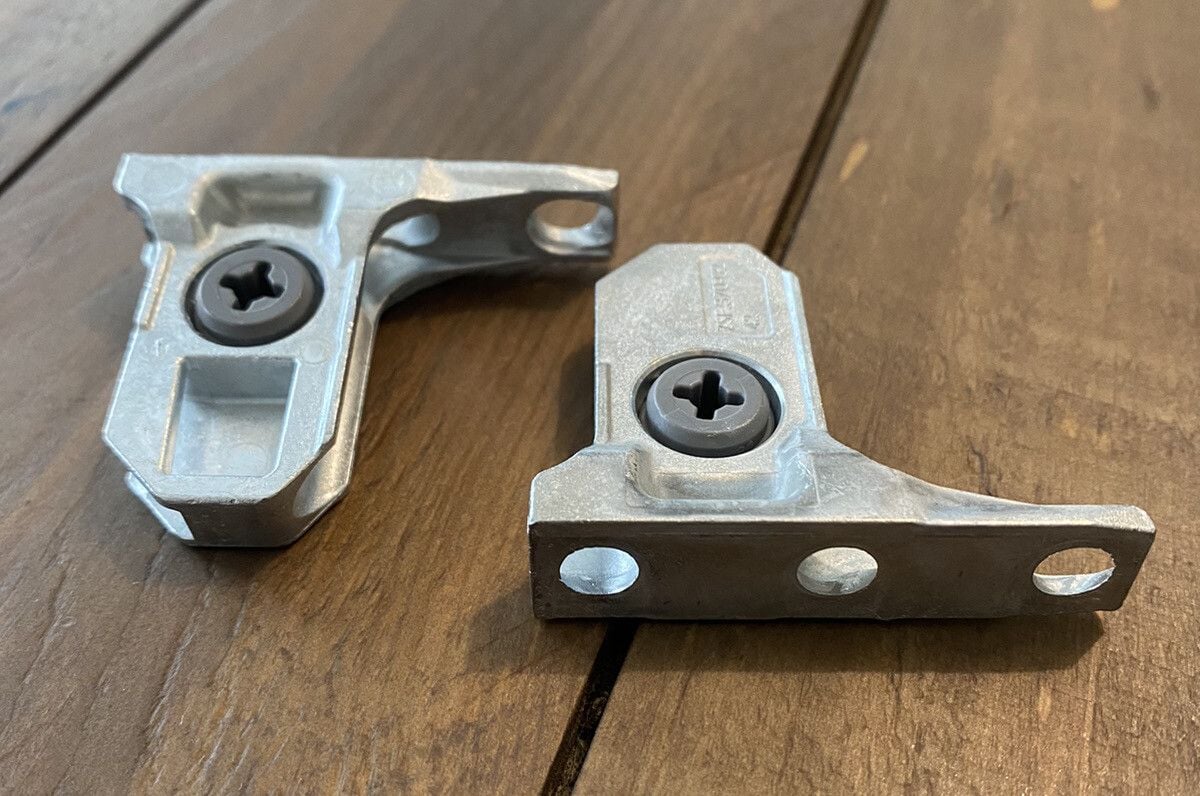
The spare-parts landing page separately addresses bigger furniture parts and says customers can ask about them in store. That is not a guarantee that every panel, drawer front, or older component is available or free. Bring the furniture information and photographs, explain the exact component, and ask what option applies. Do not invent a small hardware code for a large part simply to fit an online form.
Keep the part identification with the furniture record
Save the instructions, your request, and any response together. When the replacement arrives, compare it with the approved request and follow the furniture’s assembly instructions. If the supplied part or instructions do not match, return to customer service for clarification before improvising a connection.
Where the furniture requires wall restraint, finish the manufacturer’s specified assembly and anchoring process before putting it back into use. For related planning, see our guide to checking the wall, cabinet, and both furniture-restraint connections. The useful outcome is a confirmed component for the correct piece of furniture, supported by a record you can reuse if another part is needed later.